

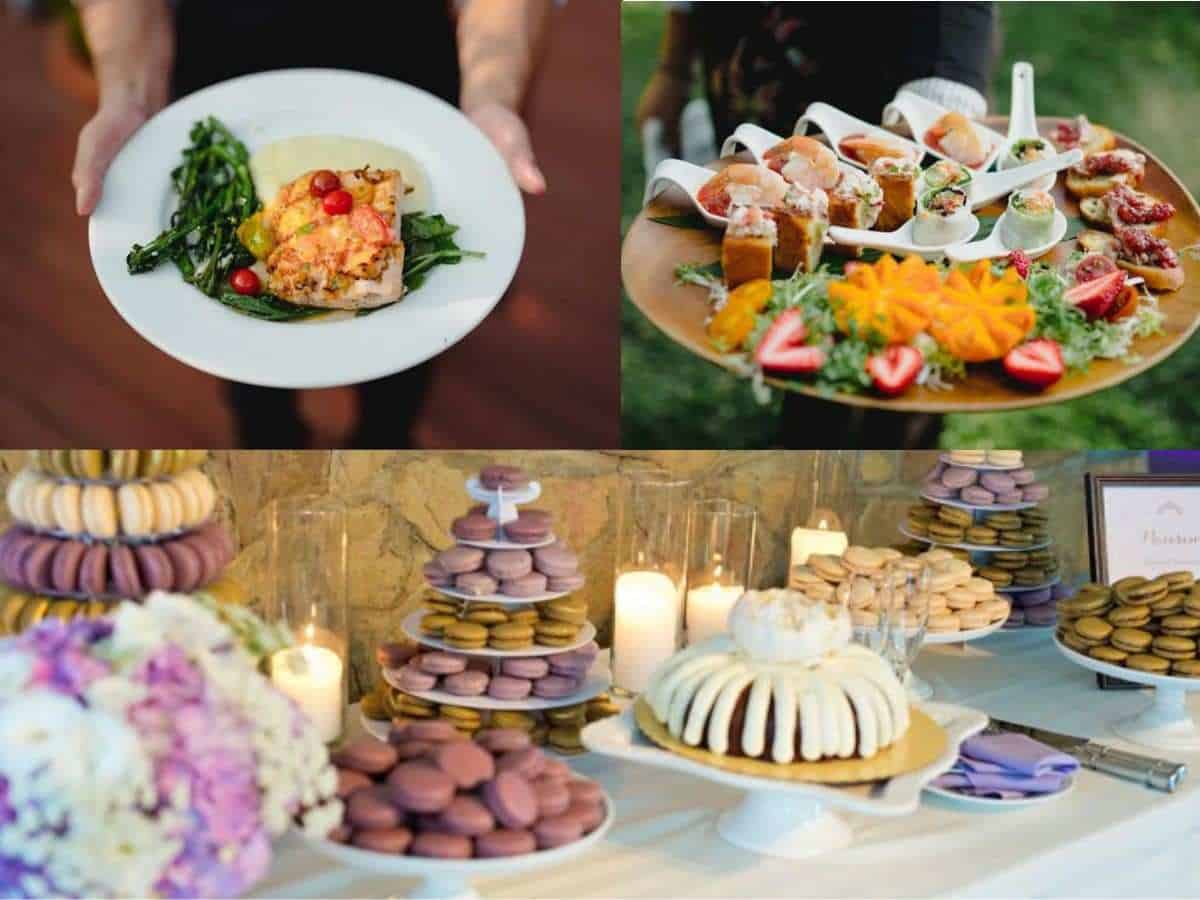
Food does more than feed your guests at a wedding, it sets the mood, controls the event flow, and quietly shapes how people remember the celebration. From the first passed appetizer to the final slice of cake, your catering style influences everything from your budget to your reception timeline.
With so many options available today, couples often feel stuck between formality and flexibility. Should you opt for a classic plated banquet? A relaxed buffet? Interactive food stations? Or a cocktail-style reception?
This guide breaks down the most popular wedding catering styles, their pros and cons, and how to choose the best fit for your guest list, venue, and vision, without the stress.
Key Takeaways
- Your catering style impacts guest experience, budget, space planning, and timing.
- Plated dinners offer structure and elegance, while buffets and stations provide variety and interaction.
- Cocktail-style receptions are budget-friendly but require careful planning for guest comfort.
- The right venue plays a critical role in executing any catering style smoothly.
- What Is a Wedding Catering Style and Why Does It Matters?
- Plated Sit-Down Dinner
- Family-Style Wedding Dinner
- Buffet-Style Wedding Catering
- Food Stations
- Cocktail-Style Wedding Reception
- Hybrid Options
- Comparing Wedding Catering Styles
- How to Choose the Right Catering Style for Your Venue
- Final Thoughts: Your Wedding Food, Your Way
- Frequently Asked Questions
What Is a Wedding Catering Style and Why Does It Matters?
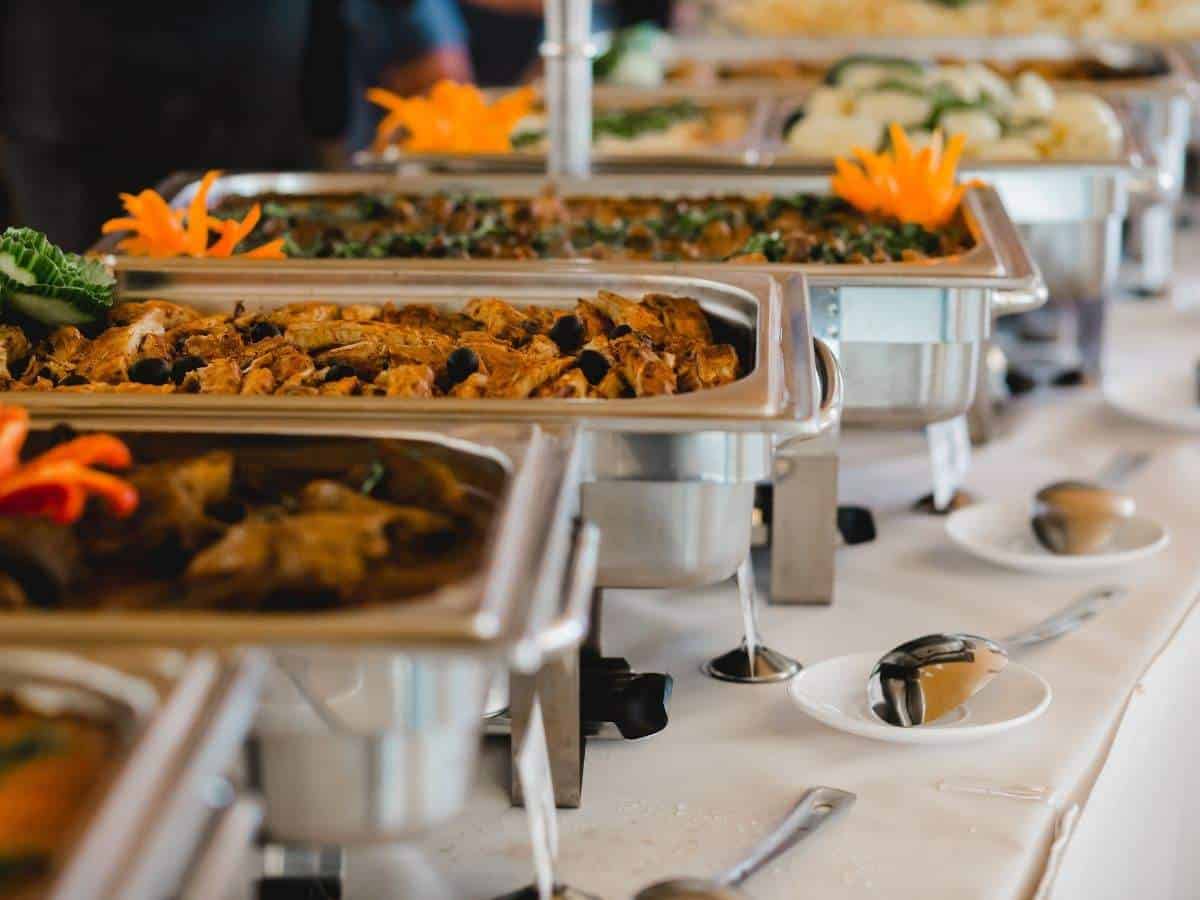
A wedding catering style refers to how food is prepared, presented, and served to guests during your reception. While menu choices determine what you eat, catering style determines how guests experience that meal, from pacing and interaction to formality and cost.
Your choice of catering style can influence:
- Guest comfort and movement
- Event timeline and flow
- Staffing requirements
- Budget allocation
- Venue layout and logistics
Choosing the right approach ensures your reception feels smooth, intentional, and enjoyable rather than rushed or disorganized.
Plated Sit-Down Dinner
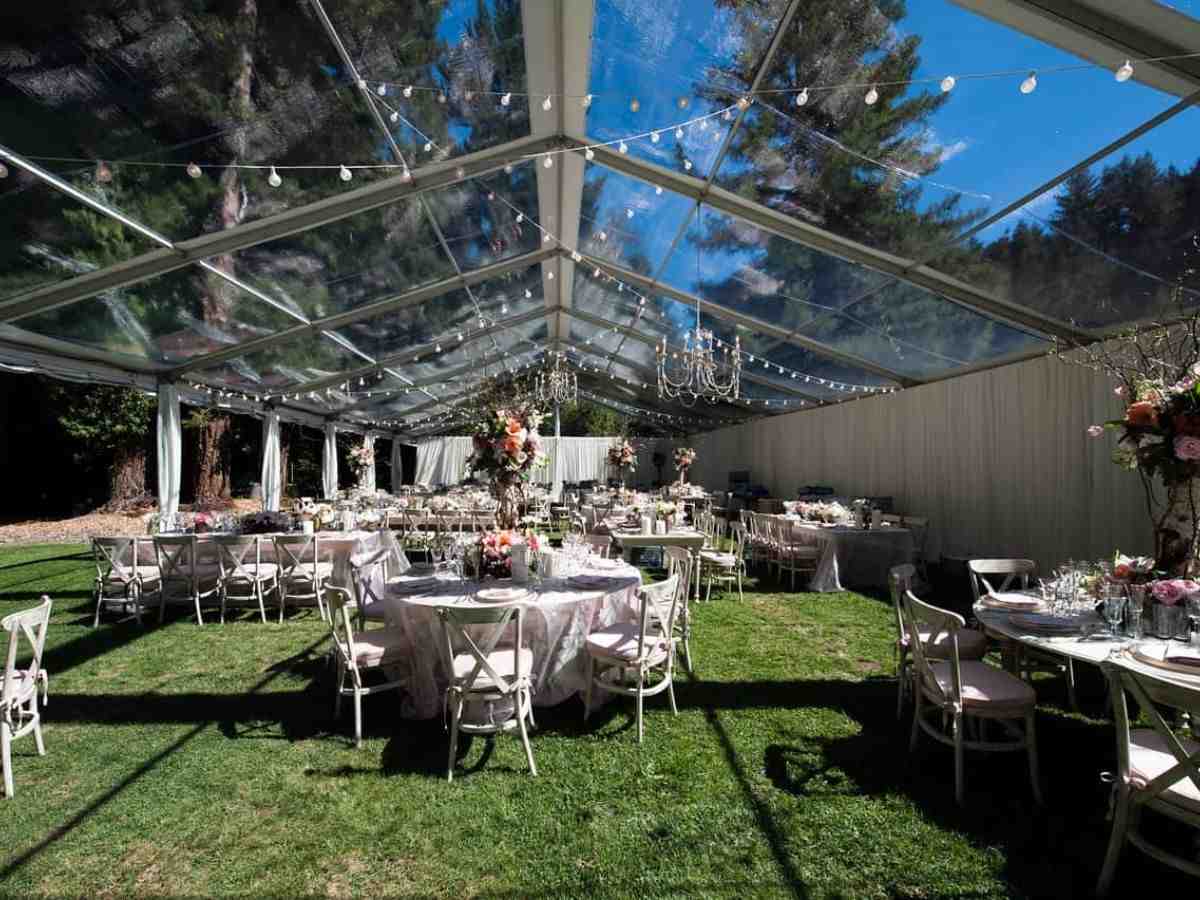
A plated sit-down dinner is the most traditional and formal wedding catering style. Guests remain seated while servers deliver each course directly to the table, creating a refined, banquet-style experience.
How It Works
- Typically includes an appetizer, entrée, and dessert
- Guests may select meals in advance or be served a set menu
- Vegetarian or vegan alternatives are usually offered
Pros
- Elegant and structured dining experience
- Excellent portion control and minimal food waste
- Keeps the reception timeline on schedule
- Ideal for black-tie and formal weddings
Cons
- Higher staffing and service costs
- Limited menu variety
- Requires accurate RSVPs and meal selections
Cost Insight
Food costs are often predictable, but labor fees are higher due to plating and service requirements.
Wedding Food Ideas
- Arugula salad with citrus vinaigrette, followed by herb-crusted salmon
- Wild mushroom risotto with truffle oil
- Chicken tikka masala with basmati rice
- Falafel with tahini sauce and warm pita
Best for: Formal weddings, ballroom receptions, traditional venues
Family-Style Wedding Dinner
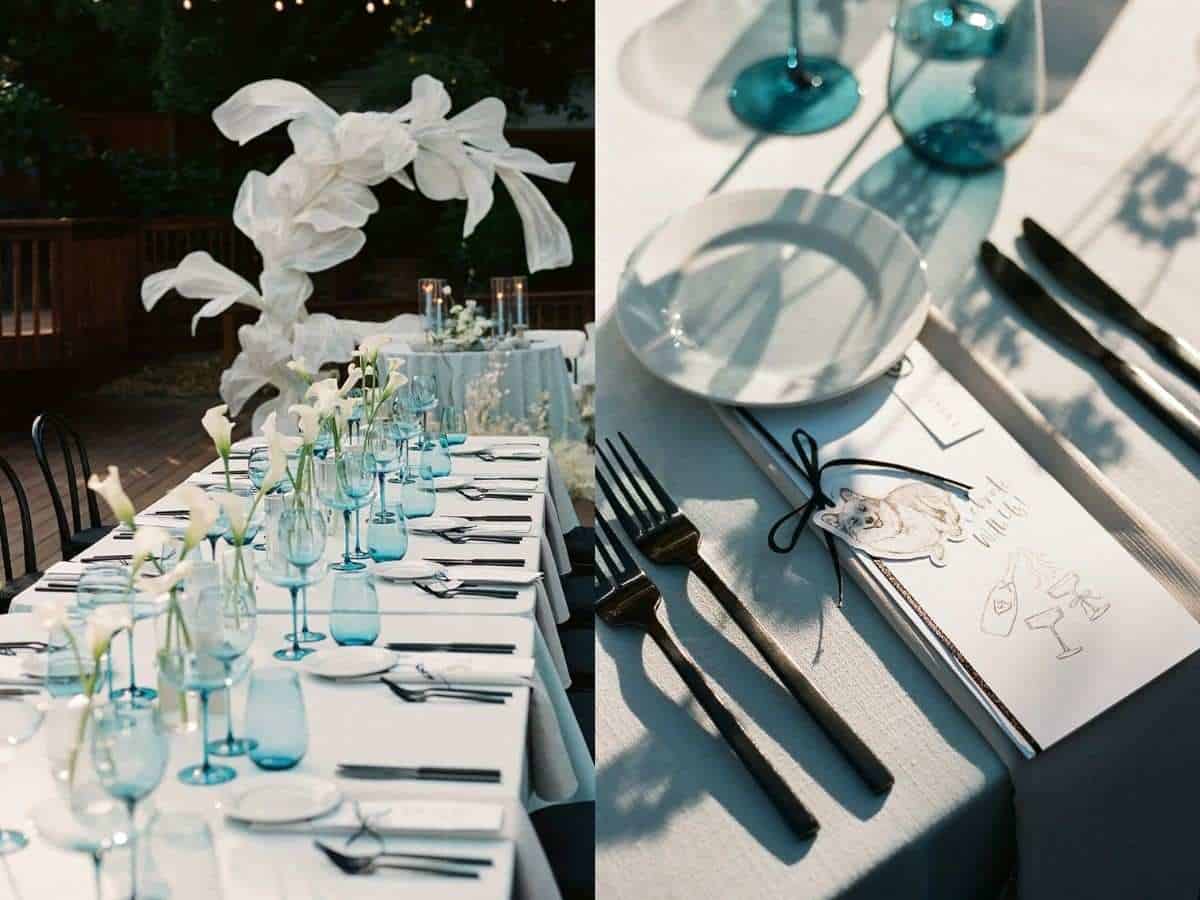
Family-style catering blends comfort with elegance. Large platters of food are placed on each table, and guests serve themselves, creating a warm, communal dining atmosphere.
Pros
- Encourages conversation and interaction
- More variety than plated dinners
- Feels relaxed yet elevated
Cons
- Requires more food and rentals
- Can crowd table décor
- Typically more expensive than plated meals
Cost Insight
Expect 10-30% higher costs than plated dinners due to larger portions and serving equipment.
Wedding Food Ideas
- Caesar salad with parmesan and croutons
- Herb-roasted chicken and grilled salmon
- Whipped potatoes and seasonal vegetables
- Mediterranean spreads with hummus and roasted vegetables
Best for: Outdoor weddings, garden venues, intimate celebrations
Buffet-Style Wedding Catering
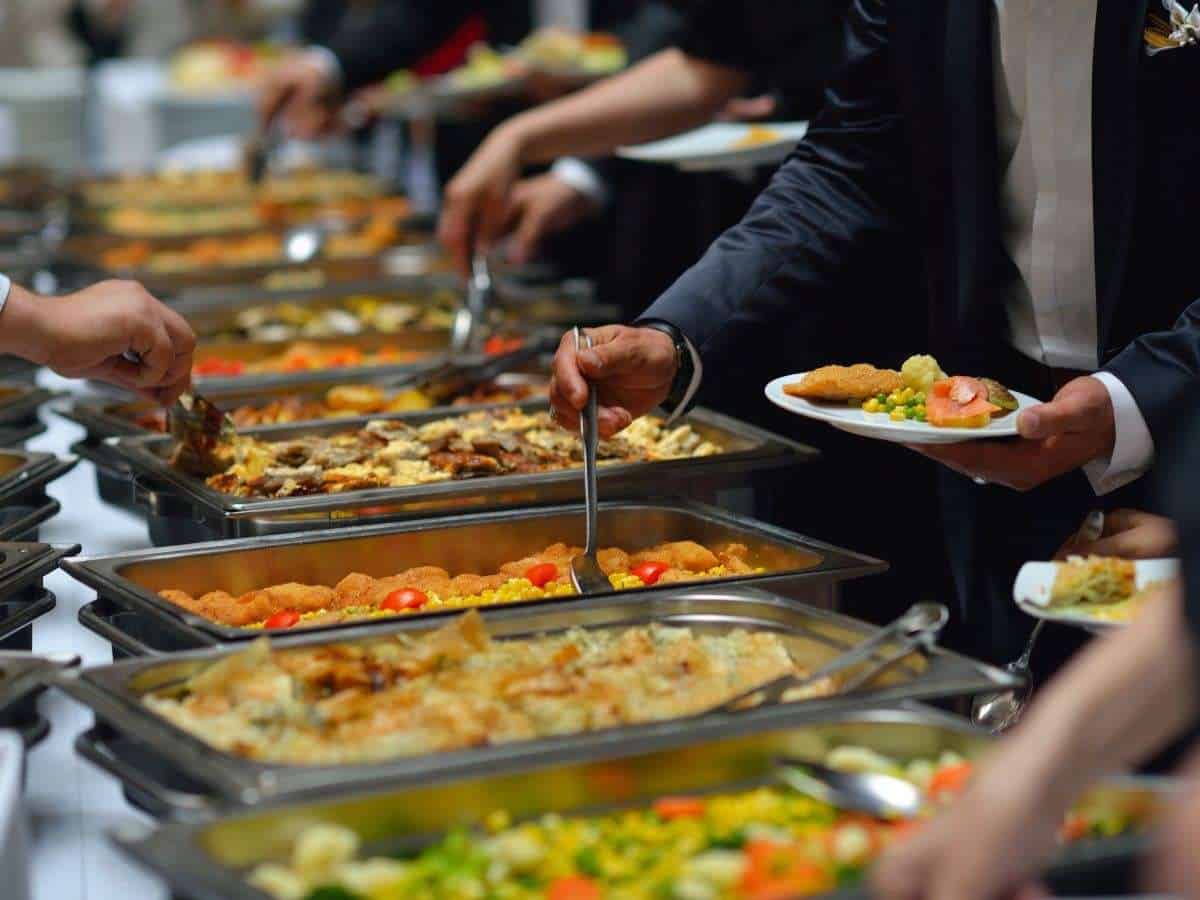
Buffets remain one of the most popular wedding catering ideas because of their flexibility and variety. Guests move through serving stations and choose what, and how much, they want to eat.
Pros
- Wide range of wedding food options
- Great for guests with dietary restrictions
- Lower staffing costs than plated dinners
Cons
- Lines can slow the reception
- Harder to control portions
- Guests don’t eat simultaneously
Cost Insight
Food costs can be higher, but staffing costs are usually 20% lower than plated or family-style service.
Wedding Food Ideas
- Mixed green salads and roasted vegetables
- Chicken masala, grilled fish, or pasta dishes
- Rice pilaf, potatoes, or gnocchi
- Mac and cheese or fusion comfort foods
Best for: Large weddings, casual receptions, diverse guest lists
Food Stations
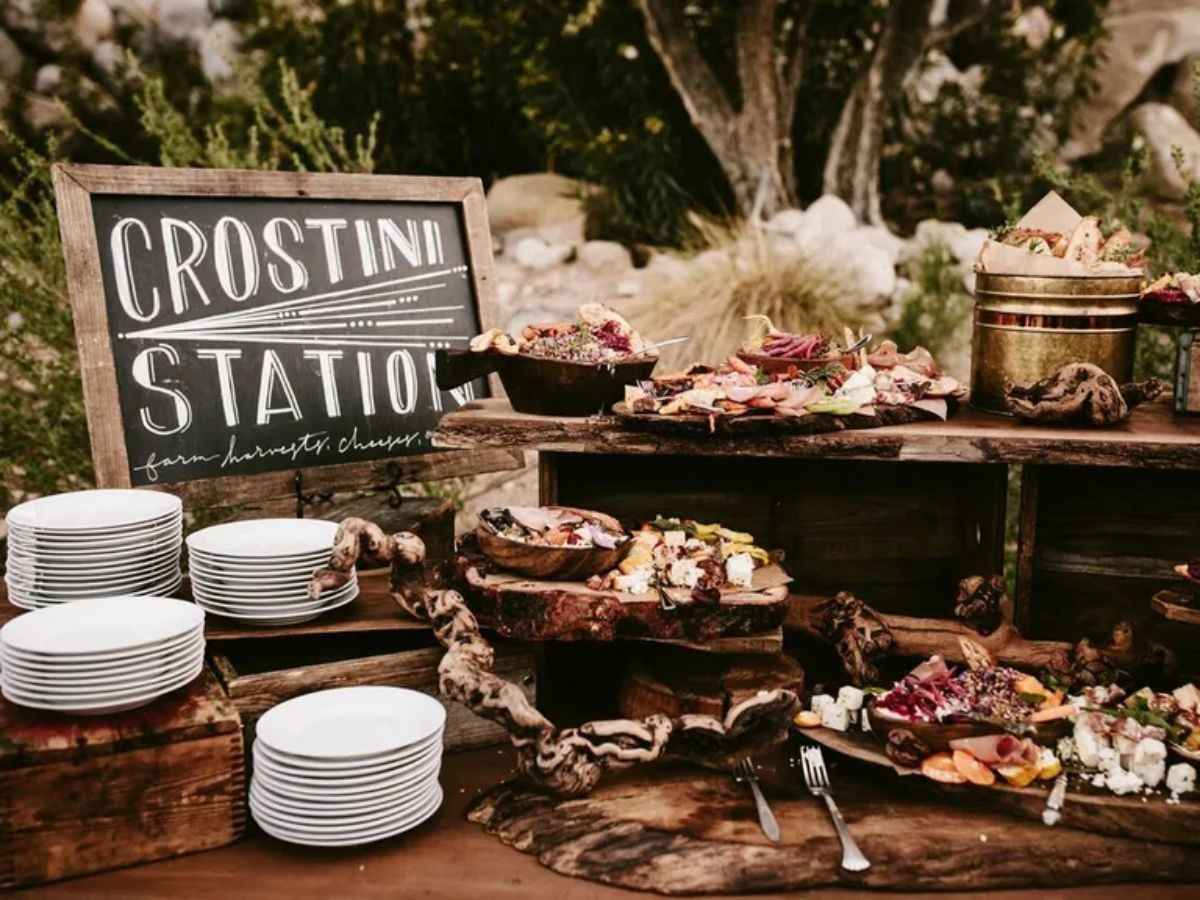
Food stations take the buffet concept further by offering chef-attended or themed stations around the venue. Guests move freely and customize their meals.
Pros
- Highly interactive and memorable
- Visually impressive and photo-friendly
- Perfect for showcasing favorite cuisines
Cons
- Requires more space
- Higher rental and staffing costs
- Needs careful layout planning
Cost Insight
Similar to buffets, but multiple stations increase rental and staffing expenses.
Wedding Food Ideas
- Pasta or risotto bar
- Taco or Mediterranean station
- Raw bar with oysters and shrimp
- Pizza or flatbread station
Best for: Modern weddings, creative couples, large venues
Cocktail-Style Wedding Reception
A cocktail-style reception skips the traditional seated meal in favor of passed hors d’oeuvres and grazing tables. Guests mingle, dance, and snack throughout the evening.
Pros
- No seating chart required
- Encourages movement and socializing
- Budget-friendly for large guest lists
Cons
- Not ideal for older guests
- Requires clear communication to guests
- Guests may drink more without a full meal
Cost Insight
Lower food quantities reduce costs, but service fees can rise depending on how many items you serve.
Wedding Food Ideas
- Crostini and flatbreads
- Dumplings and sliders
- Mini tartlets and dessert bites
- Vegan and gluten-free small plates
Best for: Short receptions, urban venues, non-traditional weddings
Hybrid Options
Many couples mix and match catering styles, for example:
- Plated dinner + late-night food stations
- Buffet dinner + passed appetizers
- Cocktail hour + family-style main course
This approach allows flexibility while keeping costs and guest experience balanced.
Comparing Wedding Catering Styles
Catering Style | Formality | Cost Range | Guest Experience |
Buffet | Casual | Lower – Mid | Flexible & Social |
Plated | Formal | Higher | Structured & Elegant |
Family-Style | Semi-formal | Mid | Warm & Communal |
Food Stations | Modern | Mid – High | Interactive & Fun |
Cocktail-Style | Trendy | Variable | Social & Energetic |
How to Choose the Right Catering Style for Your Venue
When deciding on your wedding menu ideas, consider:
- Guest count: Larger weddings benefit from buffets or stations
- Venue layout: Space determines what’s feasible
- Budget: Labor often costs more than food
- Guest demographics: Consider comfort and accessibility
Final Thoughts: Your Wedding Food, Your Way
Your wedding catering style does more than feed your guests, it shapes how your celebration feels, flows, and is remembered. From elegant plated banquets to interactive food stations and relaxed buffet spreads, the right choice brings your wedding vision together in a way that feels effortless and personal.
And just like the menu itself, the setting matters. When you have a venue that supports thoughtful layouts, smooth service, and seamless guest movement, every catering style works better.
At The Mountain Terrace, couples have the flexibility and space to bring their wedding food ideas to life, whether that means a refined sit-down dinner, open-air food stations, or a lively cocktail-style reception. Set against a naturally beautiful backdrop, your wedding menu isn’t just served, it’s experienced.
FAQ’s
1. How long does a plated wedding dinner usually take?
A plated dinner usually takes 90 minutes to two hours, depending on guest count and number of courses. Larger weddings may take longer to serve.
2. How many servers are needed for wedding catering?
Staffing requirements vary by catering style:
- Plated dinners: One server for every 10–15 guests
- Family-style meals: One server for every 12–15 guests
- Buffets or food stations: One server for every 25 guests
Your venue layout and menu complexity can also influence staffing needs, so it’s best to review this with your caterer early in the planning process.
3. Should the meal style be mentioned on wedding invitations?
In most cases, only plated dinners need to be specified on the invitation or RSVP card, especially if guests are choosing their entrée in advance. Meal selections are typically collected through RSVP cards or the wedding website.
For cocktail-style receptions, it’s helpful to include a short note like “Cocktail reception to follow” so guests know to expect small bites rather than a seated dinner.
4. How do couples collect dietary restrictions from guests?
The RSVP card or wedding website should include a space for guests to list allergies or dietary needs.
5. Which catering style works best for large weddings?
For weddings with a high guest count, buffets, food stations, or cocktail-style receptions tend to be the most efficient. These styles reduce service bottlenecks, allow guests to move freely, and offer greater flexibility when serving a crowd with varied food preferences.
6. Can couples mix different wedding catering styles?
Yes, Many modern weddings combine multiple styles, for example, a plated dinner followed by late-night food stations or a buffet paired with passed hors d’oeuvres during cocktail hour. Hybrid catering allows couples to balance structure, variety, and guest experience.